- Client-Centered Therapy
- CBT techniques
- Trauma and abuse
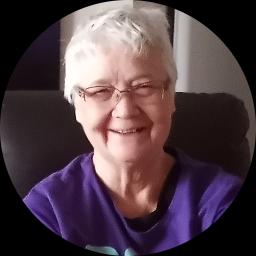
About Darlene
Dr. Darlene Hopkins is a Licensed Clinical Mental Health Counselor (LCMHC) based in North Carolina with 43 years of clinical experience. She focuses on stress, anxiety, relationship difficulties, trauma and abuse, self-esteem concerns, and depression. Dr. Hopkins also addresses related issues such as attachment difficulties, body image, codependency, and problems with communication.
Her approach is straightforward and person-focused. Sessions are largely about listening, naming what feels most urgent, and teaching practical ways to manage thoughts and behavior. She uses Client-Centered Therapy to prioritize the person's perspective and Cognitive Behavioral Therapy (CBT) for hands-on strategies to change thinking and habits.
Dr. Hopkins frames counseling as work people choose to do when they want change. She describes her role as a listener, teacher, and guide rather than someone who hands down answers. In practice that means clear discussions, homework between sessions when helpful, and steady attention to immediate goals.
She addresses a broad range of life and mental health concerns, including chronic pain or illness, substance misuse, eating or body image struggles, dissociation, and issues arising from separation or domestic violence. She also lists focus on personality-related patterns such as avoidant or dependent traits, and conditions like Disruptive Mood Dysregulation Disorder where relevant to the person's situation.
People seeking her help will find a clinician who relies on long experience and concrete methods. The work is practical and conversational, aimed at sorting out conflict, reducing stress, and finding clearer ways forward.
How her approaches translate to online work
Client-Centered Therapy focuses on listening and reflecting the person's experience back in everyday language. It helps people feel heard and clarify what matters most in their life. Cognitive Behavioral Therapy, or CBT, uses short exercises and practical steps to spot and change unhelpful thoughts and behaviors, which can reduce ongoing guilt or rumination. Finding the right approach is part of the work together. The therapist will talk with the person about goals and preferences, then suggest whether more Client-Centered listening or CBT techniques should guide sessions. That decision is collaborative and can change as progress is made. Session formats are not specified in the biography, so confirm current online options before booking. Online sessions can make it easier to fit therapy into a busy week, allow a shorter check-in when needed, and reduce travel time. Therapists and licensed professionals often adapt exercises, homework, and communication styles to work well at a distance, helping the person apply strategies to everyday moments.Areas of expertise
Primary focus
Additional focus areas
Therapeutic approaches
Experience
43+ years
Listed in
North Carolina
Languages
English
Frequently asked questions
What kinds of concerns does she address?
She works with stress, anxiety, relationship issues, trauma and abuse, self-esteem, and depression, plus related areas like attachment issues, body image, and substance concerns.
How does she approach guilt or shame?
Her practice uses Client-Centered Therapy to listen to the person's experience and Cognitive Behavioral Therapy to address unhelpful thoughts and behaviors that keep guilt or shame active.
How much experience does she have?
She has 43 years of clinical experience working with a wide range of emotional and relational concerns.
What are her credentials and where is she based?
She is an LCMHC licensed in North Carolina and practices from that state.
Does she offer sessions in other languages?
Sessions are offered in English.
Are international clients accepted?
International clients are not currently accepted.
How are sessions paid for and what does cost look like?
Cost varies with location and sessions use a subscription model that can be canceled at any time.
What should I do to begin working with her?
Choose the See online therapy options button, complete the short matching questionnaire, and schedule a first session.
Online talk therapy is not emergency care. If you are in danger or thinking about harming yourself, use the crisis numbers.