- ACT techniques
- CBT strategies
- DBT skills
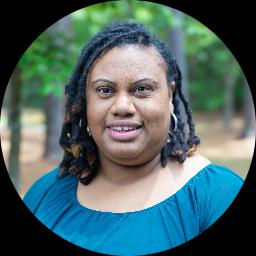
About Cierra
Cierra Brabham is a Licensed Professional Counselor (LPC) and Licensed Clinical Mental Health Counselor (LCMHC) practicing in South Carolina with 11 years of experience. She works with stress, anxiety, trauma and abuse, self-esteem concerns, bipolar disorder, depression, and coping with life changes. She also focuses on communication problems, guilt and shame, isolation and loneliness, post-traumatic stress, seasonal affective disorder, women's issues, workplace concerns, and young adult issues.
Cierra uses straightforward conversation to help people name what feels heavy. Sessions are based on practical talk and collaborative problem solving. She adapts the pace to what a person can manage that week. Expect to discuss thoughts, behaviors, and small steps to try between meetings.
Her practice draws on approaches such as Acceptance and Commitment Therapy, Cognitive Behavioral Therapy, Dialectical Behavior Therapy, Client-Centered Therapy, and Existential Therapy. Those methods are used to help with emotion regulation, shifting unhelpful thinking, and clarifying personal values. She frames techniques in everyday language and models concrete skills during sessions.
Cierra places value on respect and sensitivity in conversation. She and each client work together to identify goals and the methods that best support those goals. Practical tools and short exercises are often part of the work so changes can be practiced outside of sessions.
People come to her feeling stuck with guilt, shame, anxiety, or low mood. She helps them talk through those feelings, learn skills for the moment they feel intense, and plan small changes that fit daily life.
Therapeutic approaches and working online
Acceptance and Commitment Therapy (ACT) helps people notice their thoughts and choose actions that line up with their values rather than getting driven by unhelpful thinking. Cognitive Behavioral Therapy (CBT) focuses on identifying and testing thoughts and then practicing different behaviors to reduce distress. Dialectical Behavior Therapy (DBT) offers concrete skills for managing overwhelming emotions, improving interpersonal effectiveness, and reducing reactivity.Finding the right approach is part of the work. The therapist will talk with each person about goals, symptoms, and preferences and then try methods that fit those needs. That collaboration helps determine whether ACT, CBT, DBT, or a mix feels most useful for the problems at hand.
The original profile did not list specific online session formats, so confirm session options before booking. In general, online therapy can make it easier to fit meetings into a busy week, shorten travel time, and allow for paced check-ins when life is hectic. It can also let someone try skills between sessions in their everyday routines and bring those examples back into conversation with the therapist. Licensed professionals commonly adjust length and frequency of sessions to match what people can manage alongside work, family, and other responsibilities.
Areas of expertise
Primary focus
Also works with
Additional focus areas
Therapeutic approaches
Experience
11+ years
Listed in
South Carolina, North Carolina
Languages
English
Frequently asked questions
What kinds of concerns does she help with?
She works with stress, anxiety, trauma and abuse, self-esteem, bipolar disorder, depression, and coping with life changes. Additional focus areas include communication problems, guilt and shame, loneliness, and workplace issues.
How would she approach feelings of guilt or shame?
She uses practical talk and therapeutic methods such as Acceptance and Commitment Therapy and Cognitive Behavioral Therapy to help people notice unhelpful thoughts and try small behavioral steps. The work focuses on skills to manage intense feelings and on clarifying values that guide choices.
What is her professional background?
She has 11 years of professional experience working in mental health settings. That experience includes helping people with mood, anxiety, trauma, and life transitions.
What credentials and region are listed?
She holds LPC and LCMHC credentials and practices in South Carolina. The credential abbreviations are presented as supplied.
Does she offer sessions in other languages or internationally?
Sessions are offered in English. She does not accept international clients at this time.
Which session formats are available?
The original profile did not list specific session formats. Please confirm current session options before booking.
How are sessions paid for and what does cost look like?
Cost varies with location and sessions use a subscription model that can be canceled at any time. Exact pricing depends on the chosen subscription and region.
How do I begin work with her?
Select the See online therapy options button, complete the short matching questionnaire, and schedule a first session. That process connects you to the intake steps described.
Online talk therapy is not emergency care. If you are in danger or thinking about harming yourself, use the crisis numbers.