- Communication skills
- Attachment patterns
- Caregiver stress
About Anne
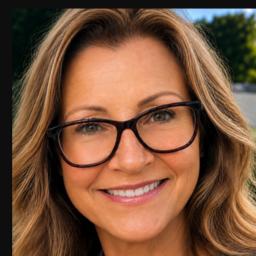
Anne Marie Hebert is a Licensed Clinical Social Worker (LCSW) in New York with 16 years of clinical experience. She works with adults facing stress, anxiety, relationship and family concerns, parenting challenges, and depression. Her practice includes attention to guilt and shame as part of broader emotional work.
She helps people improve communication and reduce isolation. She talks through social anxiety, panic attacks, and mood concerns in straightforward ways. She also supports people dealing with caregiver strain, financial stress, and workplace difficulties.
Anne Marie pays attention to how early attachment patterns can shape current relationships. She addresses the emotional fallout from separation and divorce, including control issues and hurt tied to those changes. Her work often includes practical steps to manage symptoms and improve day-to-day coping.
Her style is collaborative and person-centered. She focuses on helping clients build insight and try new behaviors at a manageable pace. Sessions are aimed at clarifying what matters to each person and making small, concrete changes.
People who come for help with women's issues, parenting strain, or persistent feelings of guilt and shame will find a clinician who listens and works alongside them. She guides clients through both short-term problems and longer-standing patterns without promising quick fixes.
How therapeutic methods translate to remote sessions
Anne Marie uses evidence-based therapeutic techniques to guide her work. One common approach focuses on improving communication and practical skills to manage anxiety and relationship stress; it involves identifying patterns, practicing new ways of speaking, and reviewing how those changes affect daily life. Another common element addresses attachment and shame-related concerns by looking at how early relationship experiences shape current feelings and reactions, then testing different responses in the present.Choosing an approach is collaborative. She will work with each client to figure out which techniques fit their situation, goals, and preferences. That process can include trying different methods over a few sessions and adjusting based on what helps the person engage and feel clearer about next steps.
The practical advantage of remote work is fitting sessions into everyday life without major disruption. When session formats are not specified in the biography, confirm current options before booking. Many people find remote sessions easier to schedule around work, childcare, or travel, and some approaches adapt well to shorter check-ins or camera-off conversations when needed.
Areas of expertise
Primary focus
Additional focus areas
Experience
16+ years
Listed in
New York
Languages
English
Frequently asked questions
What kinds of concerns does she work with?
She works with stress, anxiety, relationship and family issues, parenting concerns, and depression. Additional focus areas include guilt and shame, attachment issues, trauma, and workplace stress.
How would she describe her therapeutic style?
Her style is collaborative and person-centered. She helps clients build insight and try practical changes at a steady pace.
How much clinical experience does she have?
She has 16 years of experience practicing as a clinician. That work has covered mood disorders, panic, trauma, and relationship difficulties.
What are her credentials and where is she based?
She is a Licensed Clinical Social Worker (LCSW) licensed in New York and practices from that location.
Which languages are sessions offered in?
Sessions are offered in English.
Does she work with clients outside the United States?
She does not accept international clients at this time.
How are session costs handled?
Cost varies with location and sessions use a subscription that can be canceled at any time.
How do I begin working with her?
Start by selecting the See online therapy options button, complete a short matching questionnaire, and schedule a first session.
Online talk therapy is not emergency care. If you are in danger or thinking about harming yourself, use the crisis numbers.