- Solution-Focused Therapy
- Trauma-Focused CBT
- Practical coping skills
About Alyssa
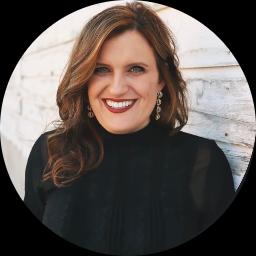
Alyssa Ingle is a Licensed Professional Counselor (LPC) in Missouri with 18 years of experience. She works with adults facing stress, anxiety, relationship and family concerns, self-esteem struggles, and depression. Alyssa also addresses adoption and foster care issues, blended family dynamics, body image, and related challenges.
Alyssa uses Solution-Focused Therapy and Trauma-Focused Cognitive Behavioral Therapy alongside other evidence-based therapeutic techniques. In sessions she helps people identify strengths and build practical tools they can use between meetings. Conversations focus on concrete steps and manageable changes rather than abstract concepts.
She approaches trauma-related concerns by breaking problems into smaller, solvable parts. For anxiety and stress she works with techniques that reduce overwhelm and clarify next actions. For relationship and communication problems she helps people practice clearer expression and boundary-setting.
Sessions are collaborative. Alyssa and the person she’s working with set goals together and pick techniques that fit their needs. Progress is tracked in small, observable ways so people can see what’s changing.
Alyssa aims to make therapy fit into real life. She uses plain language and short-term strategies when appropriate. Outside work she enjoys country music, pickleball, museums, Monet’s artwork, and shoe shopping.
How evidence-based techniques are used online
Alyssa draws on Solution-Focused Therapy, which centers on small, concrete steps toward goals. Sessions using this approach focus on identifying what already works and building short-term actions to expand those successes.She also uses Trauma-Focused Cognitive Behavioral Therapy to help people address distress tied to traumatic events. This approach breaks down trauma-related thoughts and reactions, and teaches coping strategies to reduce overwhelm and improve daily functioning.
Finding the right approach is collaborative. The therapist and client review symptoms, priorities, and preferences and then try techniques that fit the person’s needs. Adjustments are made along the way based on what helps most.
Confirm the session formats available before booking, since the original biography does not list specific formats. Online work can make it easier to fit sessions into a busy life by eliminating travel time and allowing meetings from different locations. It can also allow shorter check-ins when time is limited or audio-only options when bandwidth is low. Talk with the clinician about how to structure sessions so they fit daily routines and goals.
Areas of expertise
Primary focus
Additional focus areas
Experience
18+ years
Listed in
Missouri
Languages
English
Frequently asked questions
What concerns does she help with?
She works with stress, anxiety, relationship and family concerns, self-esteem issues, and depression. Additional focuses include adoption and foster care, blended family issues, body image, and related areas.
How does she approach shame or guilt linked to trauma?
She uses Trauma-Focused Cognitive Behavioral Therapy techniques to address trauma-related feelings like guilt or shame. The work breaks experiences into manageable parts and builds coping skills.
How much experience does she have?
Alyssa has 18 years of clinical experience working with adults on mood, anxiety, and relationship concerns.
What credentials and location apply?
She is a Licensed Professional Counselor (LPC) practicing in Missouri.
Does she offer sessions in other languages?
Sessions are offered in English.
Can people outside the US work with her?
She does not accept international clients at this time.
How are sessions paid for?
Cost varies with location and sessions use a subscription that can be canceled at any time.
What do I do to begin?
Select the See online therapy options button, complete a short matching questionnaire, and schedule a first session.
Online talk therapy is not emergency care. If you are in danger or thinking about harming yourself, use the crisis numbers.