- Talk therapy
- Cognitive techniques
- Play therapy
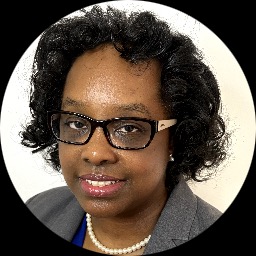
About Aisha
Aisha Franklin-Onyeugwo is an LMSW (Licensed Master Social Worker) practicing in Michigan with five years of clinical experience. She works with people dealing with stress, anxiety, grief, low self-esteem, depression, and major life changes. She also addresses concerns such as caregiver stress, chronic illness and pain, guilt and shame, relationship struggles, and feelings of emptiness or isolation.
She focuses on clear, conversational sessions where people can talk through what is troubling them. Sessions center on talk therapy and use cognitive behavioral techniques to help identify unhelpful thoughts and try small changes. She also incorporates play therapy when that approach fits the needs of the person in front of her.
In practical terms she aims to help people name what is causing pain and take one step toward understanding it. That often means breaking worries into manageable pieces. It can also mean practicing different ways of responding to difficult thoughts and memories.
Her style emphasizes an earnest client-therapist relationship and making people feel heard. Sessions tend to be straightforward and focused on what matters now. She works with adults carrying guilt or shame about actions, identity, family, faith, or relationships and helps them explore those feelings without promising specific outcomes.
To begin, clients follow the site's process for matching and scheduling a first session. The work that follows typically blends conversation, practical exercises, and attention to emotions and behavior.
How evidence-based techniques work in remote sessions
She commonly uses talk therapy and cognitive behavioral techniques. Talk therapy provides a chance to put problems into words and sort through them step by step. Cognitive behavioral techniques focus on spotting unhelpful thoughts and trying concrete, small changes in how a person thinks or behaves to reduce their immediate distress.She also uses play therapy when appropriate. That approach uses guided, activity-based interaction to express emotions and practice new ways of relating, which can be useful when verbal descriptions feel limited.
Finding the right way of working is part of therapy. The therapist will help figure out which techniques fit the client’s needs, goals, and preferences. That decision is collaborative and may change over time as work progresses.
Session formats are not specified in the biography, so confirm the available options before booking. Online sessions can make it easier to fit appointments into a busy week, allow shorter check-ins when schedules require, or remove travel time from a day. Many people find the flexibility of remote sessions helps them keep therapy consistent alongside work, caregiving, or medical commitments.
Areas of expertise
Additional focus areas
Experience
5+ years
Listed in
Michigan
Languages
English
Frequently asked questions
What kinds of concerns does she address?
She works with stress, anxiety, grief, low self-esteem, depression, and life changes. Additional focus areas include caregiver stress, chronic illness and pain, guilt and shame, relationship issues, and isolation.
How would she approach feelings of guilt or shame?
She uses talk therapy and cognitive behavioral ideas to help people name and examine the thoughts linked to guilt or shame. Sessions often include practicing different responses to troubling thoughts.
What is her clinical background?
She has five years of clinical therapy experience and holds an LMSW credential. Her practice is based on building an earnest client-therapist relationship during sessions.
Where does she practice and what credential does she hold?
She practices in Michigan and holds the LMSW credential listed as MI LMSW.
Which languages are sessions offered in?
Sessions are offered in English.
Can people outside the United States work with her?
International clients are not accepted at this time.
How are sessions paid for?
Cost varies with location and sessions use a subscription that can be canceled at any time.
How do I get started with a first session?
Select the See online therapy options button, complete the short matching questionnaire, and schedule a first session through the site.
Online talk therapy is not emergency care. If you are in danger or thinking about harming yourself, use the crisis numbers.