- Guilt and shame focus
- Works with addictions
- Speaks English and Spanish
About Ronald
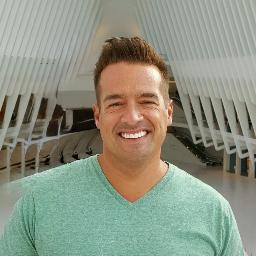
Ronald Vazquez is a Licensed Mental Health Counselor (LMHC) in Florida with three years of clinical experience. He works with people who are dealing with stress, anxiety, addictions, LGBTQ concerns, and depression. He speaks English and Spanish and accepts international clients.
He focuses on helping clients name what they are feeling and talk through difficult emotions like guilt and shame. Sessions aim to be straightforward and respectful. He encourages honest conversation about attachment, forgiveness, life purpose, and self-worth without moral judgment.
In session he listens first, then helps identify patterns that keep someone stuck. He offers practical steps to manage cravings, reduce anxious thinking, and improve daily routines. For issues tied to identity or HIV/AIDS, he brings awareness to cultural and social factors that matter to the person.
His work with men’s issues and multicultural concerns includes attention to how culture and expectations shape feelings of guilt and self-criticism. He supports exploration of what personal values mean now and how to move toward choices that feel truer to the client.
Getting started involves completing a short questionnaire and scheduling an initial meeting. Ronald uses a subscription model for sessions that can be canceled at any time, and costs vary depending on location. He aims to help people take clear next steps rather than offering quick fixes.
How therapeutic approaches are used in online sessions
Evidence-based approaches focus on clear, practical skills. One approach involves learning specific coping strategies to manage anxiety and cravings. These techniques teach concrete steps for short-term relief and help build steady routines that reduce stress triggers.Another approach centers on exploring attachment and self-concept. This helps people understand how early relationships and cultural messages shape shame and guilt. Work here includes identifying repeating patterns and practicing new ways of relating to oneself and others.
Finding the right approach is part of the work. The therapist will talk with the client about their goals, symptoms, and preferences, and together they will decide which methods to use. That collaborative process can be adjusted as needs change over time.
Confirm the session formats before booking so you know what's offered for online appointments. Online sessions can make it easier to fit therapy into a busy life - for example a shorter check-in during a lunch break, not needing travel time, or choosing audio only when video is not convenient. These practical options can help therapy become part of routine days without promising specific outcomes.
Areas of expertise
Primary focus
Additional focus areas
Experience
3+ years
Listed in
Florida
Languages
English, Spanish
Frequently asked questions
What concerns does he address?
He works with stress, anxiety, addictions, LGBTQ issues, and depression, and also focuses on attachment problems, forgiveness, guilt and shame, HIV/AIDS, life purpose, men's issues, multicultural concerns, and self-love.
How does he approach feelings of guilt or shame?
He helps people name those feelings and talk through them without judgment, then looks for patterns and practical steps to reduce self-blame.
What is his professional background?
He has three years of professional experience working as a mental health counselor and has supported people with mood, anxiety, and addiction concerns.
What credential and location are listed?
He is an LMHC licensed in Florida and practices from that state.
Does he offer sessions in other languages?
Sessions are offered in English and Spanish.
Can people outside the US work with him?
He accepts international clients.
How are sessions paid for?
Sessions use a subscription that can be canceled at any time and cost varies with location.
How do I begin working with him?
Select the See online therapy options button, complete a short matching questionnaire, and schedule a first session.
Online talk therapy is not emergency care. If you are in danger or thinking about harming yourself, use the crisis numbers.