- Stress and anxiety
- Addictions support
- Guilt and shame
About David
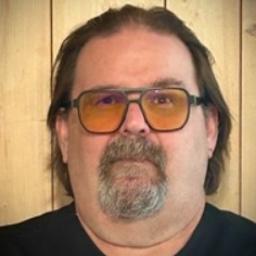
David Dail is a Licensed Certified Social Worker in Maryland (LCSW-C) with four years of clinical experience. He works with adults on stress, anxiety, addictions, motivation, and self-esteem, and he also focuses on communication problems, guilt and shame, and self-love.
David uses straightforward talk to help people name what is most distressing. Sessions are practical and conversational. He encourages people to bring specific situations or thoughts to discuss so they can notice what keeps those patterns going.
In sessions he listens for how guilt or shame shows up in daily life and in relationships. He helps clients break issues into small, manageable steps. That can include learning new ways to respond to hard feelings and practicing different kinds of self-talk.
David invites clients to try different approaches and to see what fits. He pays attention to motivation and confidence, helping people find realistic actions that match their goals. Work can include short-term problem solving or longer exploration of patterns that repeat over time.
People who prefer clear, direct conversation about feelings and behavior may find his style useful. He asks questions, offers observations, and works side by side with each person to decide next steps.
Evidence-based approaches and online sessions
David uses evidence-based therapeutic techniques that focus on thoughts, behaviors, and practical skills. Cognitive-style approaches help people notice unhelpful thinking patterns and try out different ways of thinking. Behavioral strategies focus on small, repeatable actions that reduce avoidance and build confidence over time.Finding the right approach is part of the work. He collaborates with each person to decide what to try first, checks in about what helps, and adjusts the plan based on goals and preferences. That collaborative process aims to match techniques to the person's day-to-day needs.
Session formats were not specified in the original profile, so please confirm which online options are offered before booking. Online sessions can make it easier to fit therapy into a busy schedule, shorten travel time, and allow for brief check-ins when needed. Therapists can also use remote sessions to practice skills in real-life moments and to keep consistent momentum between appointments.
Areas of expertise
Primary focus
Additional focus areas
Experience
4+ years
Listed in
Maryland
Languages
English
Frequently asked questions
What kinds of concerns does he help with?
He works with stress, anxiety, addictions, motivation, and self-esteem, plus communication problems, guilt and shame, and self-love.
How would he approach feelings of guilt or shame?
He listens for how those feelings appear in daily life and breaks them into small steps to address, using practical conversation and new response strategies.
What is his clinical background?
He has four years of professional experience working with adults on the concerns listed in his profile.
What credential does he hold and where is he based?
He holds LCSW-C in Maryland and practices from that state.
Do sessions take place in other languages or internationally?
Sessions are offered in English and he does not accept international clients at this time.
What session formats are offered?
The original profile does not list specific session formats; please confirm current session options before booking.
How are costs handled?
Cost varies with location and sessions use a subscription that can be canceled at any time.
How do I begin working with him?
Choose the See online therapy options button, complete the short matching questionnaire, and schedule a first session.
Online talk therapy is not emergency care. If you are in danger or thinking about harming yourself, use the crisis numbers.